
Physical Therapy Services
Sciatica/Low Back Pain
Relief for lower back pain that radiates down one or both legs.
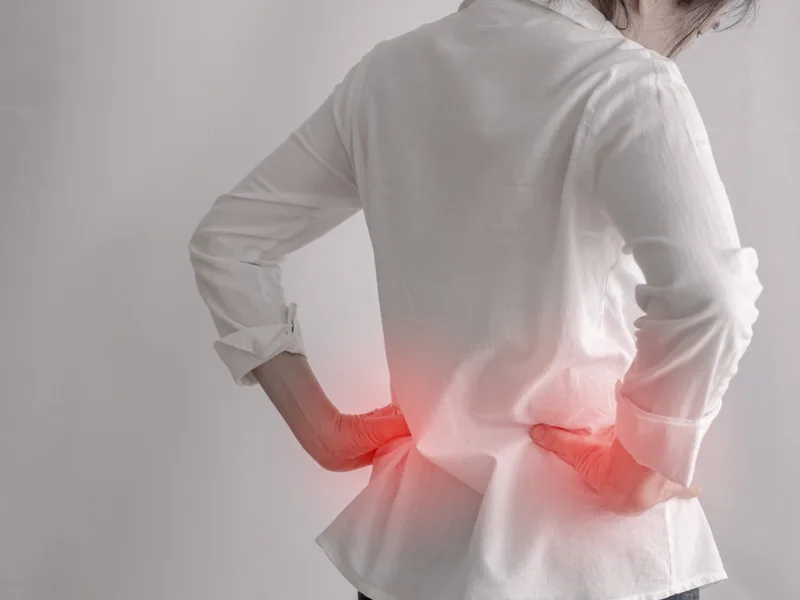
Sciatica/Low Back Pain
Sciatica is characterized by pain in the lower back that radiates down one or both legs. The pain is described as dull, achy, sharp, like “pins and needles” or similar to electric shocks. Other symptoms associated with sciatica include burning, numbness and tingling sensations. Sciatic nerve pain varies in intensity from mild to severe, and frequency may range from occasional to constant. The onset is generally gradual and not necessarily associated with a previous event. Sciatica is also known as radiating or referred pain, neuropathy, or neuralgia
Here at Feel Good Physical Therapy, we regularly treat patients with sciatica. Since there are many disorders that cause sciatica, we will determine what is the root cause of your sciatica by taking a thorough patient history during your physical and neurological exam. In some instances, diagnostic testing such as an x-ray, MRI, CT scan and/or electrodiagnostic test (electromyography) might be necessary. These examinations and tests help to detect possible contraindications to spinal manipulation and other manual therapies.
The best care for sciatic pain is to schedule regular physical therapy appointments. This allows us to better detect and correct any spinal dysfunction that may be a source of the sciatic pain. Call our office today at (718) 714-6995 to start living a pain-free life.
How This Works
What sciatica/low back pain treatment involves
Sciatica is pain in the lower back that radiates down one or both legs — described as dull, achy, sharp, like pins and needles, or similar to electric shocks, and often accompanied by burning, numbness or tingling. Intensity ranges from mild to severe and frequency from occasional to constant, and its onset is generally gradual and not necessarily linked to a particular event.
Because there are many disorders that cause sciatica, treatment begins by determining the root cause: a thorough patient history taken during a physical and neurological examination. In some instances diagnostic testing such as an X-ray, MRI, CT scan or an electrodiagnostic test may be necessary. Those examinations and tests also help detect possible contraindications to spinal manipulation and other manual therapies.
What to Expect
Your visits, step by step
History and a physical and neurological examination
This is where the root cause is established, and it is also the screen for anything that would make manual treatment inappropriate.
Further testing where it is needed
In some instances diagnostic testing — X-ray, MRI, CT or electrodiagnostic testing — may be necessary. Your therapist will explain if that applies to you.
Treatment aimed at the source
Care is directed at detecting and correcting the spinal dysfunction that may be the source of the sciatic pain, combining hands-on treatment with specific exercise.
Regular follow-up
Scheduling regular physical therapy appointments is what allows that dysfunction to be tracked and treated over time rather than assessed once.
Benefits
What sciatica/low back pain treatment is used for
- Used to address lower back pain that radiates into one or both legs.
- Used to address the burning, numbness and tingling sensations associated with sciatic nerve pain.
- Directed at detecting and correcting the spinal dysfunction that may be the source of the pain, rather than at the leg symptoms alone.
- Includes screening for contraindications to spinal manipulation and other manual therapies before any is used.
Results of an injury vary from person to person. What is appropriate for you is decided at your evaluation — call (718) 714-6995 and we can talk it through.
Common Questions
Sciatica/Low Back Pain FAQs
What does sciatica actually feel like?
People describe it as dull, achy, sharp, like pins and needles, or similar to electric shocks, often with burning, numbness or tingling. It varies from mild to severe and from occasional to constant, and it usually comes on gradually rather than after one identifiable event.
Will I need a scan?
In some instances diagnostic testing such as an X-ray, MRI, CT scan or an electrodiagnostic test might be necessary. That is decided from your history and examination rather than ordered as a matter of course.
Is manual treatment safe with sciatica?
That is exactly what the physical and neurological examination is for — it helps detect possible contraindications to spinal manipulation and other manual therapies before any of them are used. If something is not appropriate for you, it is not used.
Should I be seen urgently?
Speak to a doctor promptly if you develop significant or progressive weakness in the leg, numbness around the groin or saddle area, or any change in bladder or bowel control. For ordinary sciatic pain, call us on (718) 714-6995 and we will find you a time.
Explore More