
Physical Therapy Services
Hip Problems
Finding what is causing your hip pain and correcting it.
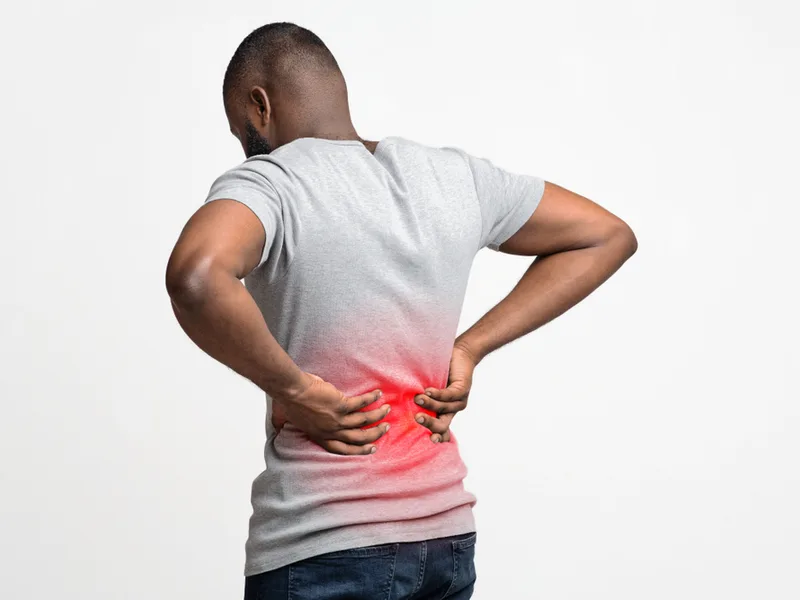
Hip Problems
Here at Feel Good Physical Therapy, we specialize in helping others find out what is causing their hip pain and correcting it so that they feel like themselves again, or even better than before!
Our hips are such an important part of our body. They ensure that we stand up straight, control the entire bottom half of us, and allow us to walk, run, kick, and play.
In many cases, hip pain is simply caused by osteoarthritis, though it can also be a result of an injury.
If you come into our office, our friendly and qualified staff will assist you in relieving your pain by getting to the root of the issue. Instead of covering up the problem, we want to ensure that the pain goes away and stays away.
We will put together a treatment plan to make sure that this happens. Depending on the severity of your condition, we may treat you by adjusting your hips though we also do exercise therapy, stretching, massage, and other solutions.
In a recent study, 60% of chiropractic patients had their symptoms improve so much that they no longer required surgery. That is our goal.
If you do have osteoporosis, you will still benefit from physical therapy care to relieve your hip pain.
If you have any questions regarding hip pain that you or a loved one may be experiencing, don’t hesitate to contact us at (718) 714-6995.
How This Works
What hip problems treatment involves
Hip pain is often caused by osteoarthritis, though it can also follow an injury. It can also be referred — pain felt in the hip or groin sometimes originates in the lower back — which is why the examination covers the lumbar spine as well as the hip itself.
The approach here is to find out what is causing the hip pain and correct it rather than cover up the problem. Depending on the severity of the condition, treatment may include adjusting the hips, exercise therapy, stretching, massage and other approaches, put together into a plan rather than applied as a fixed routine.
What to Expect
Your visits, step by step
Getting to the root of it
Your therapist assesses hip range and strength and screens the lower back, so that treatment goes to the source rather than to wherever it happens to hurt.
A treatment plan, put together for you
Depending on the severity of your condition, treatment may include hip adjustment, exercise therapy, stretching, massage and other approaches used in combination.
Strength and mobility work
Hips control the entire lower half of the body and are what let you stand, walk, run and kick — so the programme targets the strength and range those tasks actually need.
Review and progression
Progress is measured against what the initial assessment found, and the plan is adjusted as things change.
Benefits
What hip problems treatment is used for
- Used to address hip pain, stiffness and restricted movement.
- Used in the management of hip osteoarthritis symptoms and of hip pain following an injury.
- Aims at the underlying cause rather than at masking the symptom, so the plan addresses why the area is being loaded.
- Physical therapy care is also used to address hip pain in people who have osteoporosis.
Results of an injury vary from person to person. What is appropriate for you is decided at your evaluation — call (718) 714-6995 and we can talk it through.
Common Questions
Hip Problems FAQs
My pain is in the groin, or down the side of my leg — is that a hip problem?
It may be. Hip problems commonly refer pain into the groin, buttock or thigh, and lower back problems can refer pain into the hip. That overlap is precisely why the examination covers both areas.
I have osteoporosis. Can I still have physical therapy?
Yes — physical therapy care is used to address hip pain in people with osteoporosis, with the approach adapted accordingly. Tell your therapist about your diagnosis at your evaluation so treatment is chosen appropriately.
Will my hip be adjusted?
It may form part of the plan, depending on the severity of your condition. Treatment here also uses exercise therapy, stretching, massage and other approaches, chosen for what the assessment finds.
What should I wear?
Shorts or loose trousers you can move, squat and lie down in, so the hip can be assessed through its full range.
Explore More