
Physical Therapy Services
Massage Therapy
Manual manipulation of muscle and connective tissue to relieve pain and tension.
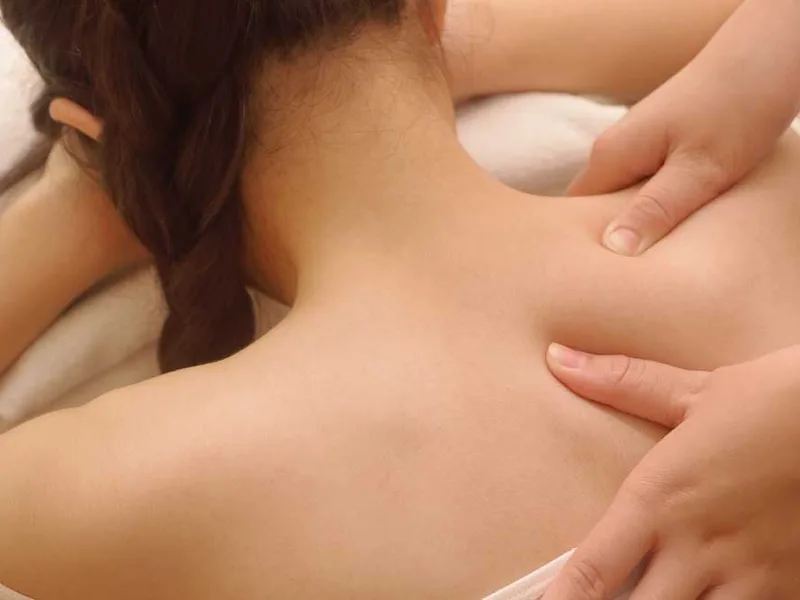
Massage Therapy
Massage therapy is the manual manipulation of soft body tissues (muscle, connective tissue, tendons and ligaments) to enhance a person’s health and well-being. There are many types of massage therapy methods (also called modalities). People seek massage therapy for a variety of reasons; for example, to reduce stress and anxiety, to relax muscles, to rehabilitate injuries, to reduce pain and to promote overall health and wellness.
How This Works
What massage therapy treatment involves
Massage therapy is manual work on the soft tissues — muscle, fascia, tendon and ligament. The therapist uses graded pressure, stroking, kneading and sustained holds to change the state of the tissue: loosening areas that have tightened protectively, working through adhesions, and reducing the tension held in muscles that have been guarding an injury.
In a physical therapy setting it is used as part of a plan rather than as a standalone treatment. It is typically applied at the start of a session to make an area easier to move, so that the mobility and exercise work that follows can be done more comfortably and with a fuller range.
What to Expect
Your visits, step by step
Assessment first
Your therapist checks which tissues are actually restricted or tender before any work starts, so the session targets the area that the examination points to rather than simply where you feel it.
Hands-on work
Only the area being treated is exposed. Pressure is built up gradually and adjusted as you go — tell your therapist if it is too much and it will be changed. Some techniques are broad and slow, others are focused on a small, specific band of tissue.
Movement while it is loose
Soft tissue work is usually followed immediately by stretching or active movement, because a muscle that has just released needs to be used through its new range for the change to stick.
Between visits
You may be given stretches, positions or self-release work to keep the area moving at home, plus practical advice on the activity or posture that has been loading it.
Benefits
What massage therapy treatment is used for
- Used to address muscle tension, tightness and soreness in soft tissue.
- Used to address restricted movement caused by tissue that has shortened or become adhered after injury or immobilisation.
- Applied to prepare a stiff or guarded area for the mobility and exercise portion of a physical therapy session.
- Commonly sought for general relaxation and stress relief alongside its rehabilitative uses.
Results of an injury vary from person to person. What is appropriate for you is decided at your evaluation — call (718) 714-6995 and we can talk it through.
Common Questions
Massage Therapy FAQs
Is it painful?
It should be tolerable throughout. Deeper work on a tender area can feel firm or briefly uncomfortable, but it is not meant to be painful and pressure is adjusted the moment you say so. Speak up during the session rather than after it.
How is this different from a spa massage?
The purpose is different. Massage here is directed at the tissues your physical therapy examination identified, and it is combined with movement and exercise as part of your treatment plan rather than delivered on its own as a wellbeing service.
Will I be sore afterwards?
Some people notice mild soreness for a day or so after deeper soft tissue work, much like the day after unfamiliar exercise. Tell your therapist how you reacted at your next visit so the pressure can be adjusted.
What should I wear?
Loose clothing that allows access to the area being treated. Only that area is exposed during the session, and you are draped otherwise.
Explore More